Ego The Ugly – Part III

Perception can be tricky. To obey God as it relates to turning the other cheek over an insult, slight, or minor offense, to a generation whose often tempted to value vengeance can seem ugly. It’s not ugly. It’s good, true, and it’s beautiful to obey God. That’s what it is objectively speaking. Subjectively, it may not feel good, true, or beautiful. Do – it – anyway. Love is in the “will.” Love isn’t merely a sentiment or an emotion. I might not feel like loving those I’m supposed to, on a given day. What must I do? Do it anyway. Love is a decision, not a feeling. The Good, True, and Beautiful are convertible terms for God. What He has revealed to us – the Truth is good, true, and beautiful. If there is a problem with that, the problem is not with the Truth. The problem is with us. Our filters get dirty and clogged up, and grace don’t flow. Our filter being our upbringing, education, world view, training, and experiences. So being raised on a steady diet of action and revenge films, messes up our filters. We fail to accurately perceive things. In this last post, I’ll share a humbling experience where I had to make a decision. If you can picture your ego like a puppy, mine was chewing on the couch, as it were.

Konrad Adenauer, Chancellor of West Germany 1949-1963, made sometime after World War II. I like it. It definitely applies to my life innumerable times:

“God has placed obvious limitations on our intelligence but none what-so-ever on our stupidity.”

I was blessed at my old house to have competent instructors at our Academy. The training cadre at any house are critical seats to fill. If you lack competency among the chiefs but still have competency in your Academy, all is not lost. They can still train the officers to act rightly and they can be called upon to render opinions on seemingly questionable uses of force, internal disciplinary hearings, arbitration, wrongful termination suits, and in court for both criminal and civil. They are underutilized much of the time. Somewhere around the halfway point in my career I recall an Academy instructor who cared, and put out, in effort to properly train his people talking to us at in-service training. The instructor explained the potential legal and civil issues we might experience if we acted under color of law, off duty, especially outside our jurisdiction. What I took away was to be a good witness unless an active shooter is murdering innocents.

When I retired an acquaintance asked me my thoughts on concealed carry insurance. Thinking I knew what I didn’t actually know, I told him I wouldn’t be buying it as if I ever have to use my firearm I’ll be receiving some kind of an award, for defending against an active shooter. Time passed and I started looking more seriously at the prospect of starting a business. I had learned in law enforcement how critical it was to understand case law (United State Supreme Court & lower courts). If I was going to be involved in any kind of legitimate firearms defense training I knew I needed to do the same kind of study I did in law enforcement. That meant studying case law, statutes, and earning credentials with the USCCA, and NRA, as a concealed carry & home defense firearms instructor. I needed to understand exactly what was being taught to concealed carry license carriers, and equally important what they were not being taught. I methodically read, highlighted, and annotated about three dozen Illinois court cases involving a legal claim of self defense. I read Andrew Branca’s The Law of Self-defense, which confirmed the lessons learned during the case law study. After all of that my opinion changed, and I now have concealed carry insurance. Pride blinds us. The old saying; You don’t know what you don’t know. Pride stunts our growth. If you want to get better, then humble yourself and put forth the effort, doing the work, striving to become a craftsman. That could be a whole separate post.

As I was attending courses and accumulating credentials I had an opportunity to be tested. By God’s grace my intellect won out in the end.

I was staying at a hotel in Jacksonville, Illinois, May 17th, 2019. In the room next to mine, there were two men and a woman, talking very loudly and laughing. It was around 9 PM. I watched tv, and I figured eventually they’d settle down. I had school in the morning. Sometime before 11 PM, it was still going strong. So I called the front desk inquiring about the possibility of changing rooms. The clerk advised he’d take care of my problem by asking the men to quiet down. One of the guys was so loud I could actually follow his conversation. I hung up and within 30 seconds, I hear the loudest male scream, “F-you!” Then someone slams their fists or body into the wall between our two rooms, to emphasize his point.

Now you have to understand, in law enforcement we confronted the worst human beings on their worst days, and we did this every tour of duty. Sometimes multiple times a day. Picture the worst human beings in any community and guess who’s going to get to go deal with them? The police. Confrontation was like breathing. So part of me was desiring to get out into that hallway first. Part of me wanted face time with this guy. My curiosity wanted to know; Just how big a boy was he?

As you sort of grow up in law enforcement you start out desiring to prove yourself to your brothers in arms, to the criminals, and to yourself. As you mature you’ve been there and done that, so many times eventually you begin angling more towards calculated risks which are a lot smarter. Early on you’re okay with getting nose to nose with a bad guy. As you mature you realize that’s simply an opportunity to get sucker punched and knocked out. So you learn to have no problem growing in humility and taking a step back as you remove your can of pepper spray from it’s holder, and shake it in preparation for what’s next. So at some point your intellect begins influencing your will more than your emotions.

When you retire you have to acknowledge the truth that things are now radically different. You’re no longer sworn law enforcement.  As a police officer it was your job to go after the bad guys. To pursue them. That is not the case for regular citizens. Now the winning strategy is avoid. To let their illicit desire lead them to pursue you. To be able to show they pursued you which makes clear you were in jeopardy. As a citizen there is no corporate counsel to defend you free of charge, or to negotiate a settlement. You’re just like everyone else high up in the tree out on the thin limbs, as it were.

This was merely an insult, a slight. He had two biased witnesses. Think trial witnesses. People lie for each other all the time. What’s the probability his two witnesses will remain on his side? I have no one with me. There are two men and we’re isolated on the third floor. If we get to fighting, what stops his brother from joining in against me? Two on one, how far am I willing to take this? How far would I have to take this to win? Perhaps just to survive?

During my career as a police officer, I always knew that if I was taking a severe beating to a point nearing exhaustion, incapacitation, or unconsciousness I had recourse to drawing, shooting, and decisively stopping any unjust aggressors attack. That was ever present in the back of my mind. That is the mentality officers have to have. It’s called – a winning mindset.

Physiologically I had just received a cocktail of adrenaline and science says other chemicals dumped into my brain, increased heart rate and increased respiration, as frequently happens preceding a fight. That cocktail gets the body and mind ready to do physical battle. Only, there was no physical battle. So I experienced it as something ugly and uncomfortable. All that stuff poised and ready, and the right thing to do was to keep it all inside my hotel room. Habitually, when this happens in law enforcement or off duty asleep in your home when you hear a loud noise. Those physiological responses are your cue to move towards the threat. So to go against that habitual reaction is very uncomfortable. To sit or lay idle waiting for war to come to you, is the opposite of what you’ve trained yourself to do. It’s akin to taking a beating against a bigger, faster, and stronger boxer, and not quitting. To this day when some loud noise awakens me my heart rate might instantly kick up to 165 heart beats a minute or so and I’m up and moving direct to the threat. That movement meshes perfectly with the cocktail of adrenaline and other chemicals dumped into my brain. That movement forward meshes perfectly with where and how the blood is moving in my body to prepare me for what comes next. That movement is goal oriented. That movement is focused on things like tactics and urgency and resolve. Purposefully not advancing leaves one with far less focus and distraction. As a child, I always hated the thought of scheduling a fight after school. I very much preferred when the fight would happen spontaneously and all thoughts could focus on winning the fight. Does it take more of a man to dish out a beating or to endure a beating, and not quit?

Juxtapose the intellect with my ego. Juxtapose the intellect with my emotions tempting me to go out there and demonstrate to Mr. “F-you,” what commitment really looks like.  But that’s the ego talking, right? We need some of that to be able to do the things we did as police officers. There is a right use for that and it’s for your brothers in arms, your family, and you if it can’t be avoided. This – could – be – avoided.

To go out there to feed the ego was the wrong thing, wrong time, wrong reason, and wrong way. It was wrong on the moral battlefield, It was wrong on the physical battlefield. It was wrong on the legal battlefield. The civil battlefield has even less of a standard of proof than the legal battlefield.  Wrong, wrong, wrong, and wrong.

I picked up the phone and called the clerk again, wondering how the clerk could be so poor at his job, as to tell this guy what room called. Mental note: if this ever happens again, explicitly tell the clerk not to reveal which room is calling. The clerk says he’ll handle it. I hear these guys out in the hallway.  Then I learn the clerk told this guy if there is one more call, he’s out of the hotel. The quieter of the two guys says: “I know your tempted, but don’t do it.” Tempted to do what exactly? So I put my Glock 19 on the nightstand and lay down to watch some more television. If he’s unjust and resourceful enough to somehow come through a locked hotel room door (doubtful as those doors are solid), war will have come to me.  At that point I’ll be doing the right thing, for the right reason, at the right time, and in the right way. I’ll be right on the moral battlefield, the physical battlefield, the legal battlefield, and probably the civil battlefield but their are no guarantee’s right?  Right.  

I never said a word in response from the beginning of this to the end. I remained quiet, little, and meek. I was kind of surprised how much my ego sort of gnawed at me (chewed on the couch) and it kept it up even into the next day.  I recall an old Sergeant telling me one time:  Sometimes you get the bear and sometimes the bear gets you.  It kind of felt like that.

After some time passed, and the adrenaline dump faded, I remembered to pray.  I prayed for this guy, his brother, the woman and all of their families. I willed it. It doesn’t matter how I felt about it.   Love is a decision.

The ego as it relates to insults, slights, and minor offenses is a trick.  It is a diabolical trick that puts more men in the ground or prison than just about anything else.  If you will suffer this temporary pain – and it can be a sort of emotional pain – you will grow stronger. You will gain ground as it relates to a controlled strength (meekness). That controlled strength will serve you well when things get serious as it pertains to the emotions of fear and anger. As it pertains to panic and ego.  If you will endure that perceived ugliness (it’s not really ugly), you will build up a capacity to operate in the higher realm of the intellect which can then influence and direct your “will.” The intellect and the emotions, are often at war over dominance of the “will.” Stop letting your emotions dominate and direct the “will.”

He didn’t say another word, and within a few moments they all moved on to some other room to continue their late night loud talk. I went to bed.

In conclusion, you must begin controlling your ego or your ego will control you.  Not puffing up in a bold posturing stance makes you feel like a coward. Most men who posture are hoping that’s enough. It’s kind of the whole idea behind lifting weights and rolling up your sleeves. You kind of want people to not actually make you bleed. Most men would rather people just respect, honor, and fear them without having to get bloody to prove it.

There was a saying in Law Enforcement – The more you sweat in training, the less you bleed in combat. The point is to do the thinking in advance. Do the training, and repetitions so that you’re better prepared for the real thing. Do the hard work. This building up of the mental and emotional strength is part of that training.  People who are willing to grind it out over time, have a much better probability of becoming a craftsman at their chosen professions. The more you control your emotions your passions, the more control you’re going to have when you need it. That matters so you don’t panic and so you don’t hesitate. Both extremes are bad.  May God give us the graces we need.

Ego The Bad – Part II

I’ve heard it said that ego has put a lot of men in early graves, and in prison cells. Ego in the worst sense of the word, has to do with our illicit desire for honors. In the first place it is a desire to posture as if ready to fight over insults, minor offenses, or slights perceived injustices. Our sensitive ego needs reassured and comforted that we’re not a coward. We desire to feel courageous. The emotion of fear looms large, and we’re tempted to posture. We’re often content with a cheap display of posturing, to feed those insecurities. The ego demands to be fed: Whats the problem? Are you scared of this guy? Are you a coward? I thought you were a man. Why aren’t you out there dealing with this guy? Who does he think he is? He doesn’t know you. He doesn’t know what you’re capable of! Get out there and look as big and menacing as possible! Most people don’t really want to go to war over insults. They might want to appear as if ready to go to war. But most people don’t really want the pain, injury, and potential death that may be a part of that ordeal. So they seek to posture, just enough, to quiet down the ego. Secondly, the spirit of the world has given us the lie that the right thing to do is to seek revenge, or vengeance. That – is – a – lie. Increasingly we see folks clamoring for justice, though if the decisions of the states attorney or courts are not to their liking, then it’s not justice. Vengeance is increasingly confused with justice. God has made clear vengeance is His, and His alone. We ought not seek that. In this post I’ll explore the bad side of ego, pride, and arrogance as it relates to legitimate defense.

Fears

We fear many things. That’s the reason we have arguments in our families. We fear losing control. We know we’re responsible to protect, provide, and lead, and yet we get push back. Leading is often hard work and many don’t desire to be led. Our people don’t understand why they shouldn’t do this, that, or the other thing and we fail at calmly and effectively communicating the why and how. We argue and raise our voice. We lose patience because things are not going well, and we use sarcasm. We fail to remain calm, and we fail to lead. Early on when we’re spun up emotionally, we don’t feel like apologizing, as that requires us to take a low position. This is one small arena where we can begin dominating our emotions and growing in strength. Ask yourself as you begin to get angry or impatient – What is it I yet fear? Socially and professionally we often fear losing wealth, power, pleasures, or honors (St. Thomas Aquinas). With insults, minor offenses, and slights, honor is what we fear losing. Respect is another word for honor. We fear losing respect. We fear humiliations. Yet humiliation is an exercise of the virtue of humility. It is with great effort and pain we gain strength at the lowly aspect of humility. To grow in the truth aspect of humility is less painful. We fear a vulnerability to humiliations. Ask yourself; What is it – I’m afraid of?

The solution is one – move towards those fears that we know we ought to conquer, and then sit down in the low seats. Ought being the qualifying term. We have to be willing to be vulnerable. Failures are opportunities to learn. We want to believe when the time comes for great calculated risks, we’ll move towards the sound of the guns. Will we? With a brotherhood holding us accountable we will. On our own? How disciplined are you? What kind of habits have you been forming? An analogy: Few men lay down on a bench press loaded with a four hundred pound barbell, and competently move that weight. We begin with the bar. Begin – with – the – bar.

Don’t egg things on

As stated in the previous post, ego has much to do with the emotions. Ego is easily recognized in the emotion of anger. Fear lies at the root of anger. We get angry and we’re tempted to exaggerate insults, minor offenses, or slights into perceived injustices. If someone offends our own personal sense of justice then our ego might begin demanding that guy needs to learn a lesson. He just flipped me off after endangering me and mine. I have to teach him a lesson! Do you? Is it your job to teach lessons? Is that part of your mission in life. No. That jerk is not your subordinate, nor his he your child. If he was your subordinate then you’d document the incident, and discipline him. If he was your child you’d provide age appropriate discipline. But disciplining a stranger? That’s not a moral, legal, civil, or social thing.

The Word of God teaches exactly the opposite. As it relates to insults, offenses, or slights, we’re to turn the other cheek. In antiquity, men of old, we’re not as sensitive today as our current generation. A slap in the face was a mere insult. A slap was not a call to go to war. Now-a-days if someone looks at another person wrong, its often time to go to war. That is the wrong way! If someone gestures to you in a road rage incident do nothing to provoke, encourage, or facilitate mutual combat. Don’t speed up, don’t begin braking or slowing down, and don’t offer to pull off to the side of Route 66. If you do nothing to escalate things guess what will happen 99.9% of the time? He’ll move on. For the .1% of the time a crazy guy develops a fixation on you and yours, you’ll be able to honestly report (via your attorney) you did nothing to instigate, aggravate, or otherwise participate in any kind of mutual combat. You will have retained your innocence by trying to avoid the problem. That means any potential witnesses, video, or any other evidence will support your claim of lawful self-defense. You’ll sleep just fine if you have to defend yourself against such a man. If instead you decide he must be taught a lesson, then you’re indulging in mutual combat, and perhaps even becoming the unjust aggressor as he tries to get away from you. You’re going to lose the legal battle, and you’re going to go to prison. You’re strategy is terrible. You’re adopting a losers strategy.

Vengeance is mine, I will repay, says the Lord

Then there’s the vengeance thing. Occasionally we read about a burglary or perhaps home invasion victim who chases the criminal out into the street and starts shooting as the bad guy runs away. Sometimes that bad guy is shot or killed. Guess who’s getting charged? Of course discretion is involved with elected states attorney’s, but citizens who go after the burglar and start shooting out of what looks a lot like vengeance, are going to find themselves on a legal battlefield. Knowing where the lines are is a matter of freedom or incarceration. It can’t be: Oh you think you can steal from me?!? Revenge or vengeance is God’s alone. Don’t touch it. That is a hard line. Where do ideas like ‘teaching lessons‘ orOh, you think you can steal from me‘ come from? How many television programs and movies have we watched in our lives which show the so called ‘hero,’ killing all of his enemies, their friends, and everyone associated with them? Our generation has suffered a steady diet of vengeance via bad media influences during our upbringing. Music videos, immoral video games, etcetera. What are we feeding our intellects? Are we having any conversations with our children about what’s moral and what’s not moral in what we’re viewing? Why are we surprised when we feed our intellects garbage, that we experience garbage in, garbage out? How is that a mystery? It’s not – a mystery. It’s common sense.

Virtues

To compound the above listed problem we have stopped talking about virtues! We have even stopped talking about values. There is a radical distinction between virtues and values. Values are subject to change like the passing opinions of man. Values could be viewed like a river bank. A river bank can suffer erosion and it can overflow it’s banks. Over enough time that bank line can change significantly. Virtues on the other hand are like the bedrock in a riverbed. Virtues don’t change. I think it was Archbishop Fulton Sheen who first gave this analogy using doctrine and discipline.

Do you hear a lot of leaders talking about virtues? No. We’ve come through the enlightenment right? What a sick joke to call it that. It is a great darkening of the intellect of man. A great darkening and turning away from God, Who truly enlightens our minds and gives man common sense for the common good. What do men who sit in leadership seats today talk about now that we’ve forsaken virtues, and even set aside the weaker standards of values? Buzzwords. We are so weak kneed, and spineless in our current generations, we’re down to buzzwords.

Digression

Bear with me, I’m about to digress. So we hear many so called leaders today using buzzwords. The word nice is a kind of buzzword. Not as clear cut as something like accountability or transparency. But we’re told; “We must be nice.” Must we? To understand things we often have to go back. Do an internet search for the word nice” and etymology.” At www.etymonline.com/word/nice I found this definition: foolish, ignorant, frivolous, senseless,” from Old French nice “careless, clumsy; weak; poor, needy; simple, stupid, silly, foolish,” from Latin…” Anyone think being nice is still a good idea? The word nice is not found in the Word of God. Do a digital search – no results found. If you’re a Catholic do a digital search of the Catechism of the Catholic Church for the word nice – No documents match the query.” Weird. Yet, if it’s so important to be nice don’t you think there would be some mention of it in the Word of God? Today the word nice according to Merriam Websters dictionary has multiple different definitions, some of which are also negative in nature but this one jumped out at me: pleasant and satisfying: complaisant, affable, agreeable, considerate. Should we just pick whatever definition of nice we prefer? What do you mean by we should be nice? Define the term. Be clear and take a stand on what it is you believe.

Nice has no “love” for the other person. I got to write that again, it is very important. There is no “love,” in being nice. Nice is unwilling to risk anything for anyone. Being nice – is cowardly. Spiritual or moral cowardice is a very bad thing. How bad it is?

Revelations 21: 8 “But as for the cowardly, the faithless, the polluted, as for murderers, fornicators, sorcerers, idolaters, and all liars, their lot shall be in the lake that burns with fire and sulphur, which is the second death.”

Cowardly is listed first among all these bad things. Morally. On the moral battlefield.

Being nice is about looking out for number #1. Being nice is about compromise. Compromise is one way the spirit of world gives peace. The spirit of the world gives peace through compromise and unjust pressures, unjust threats, and unjust force. If we cared about virtues we’d be inclined to study words like Charity. Charity is love. What’s love? A great place to start is:

1 Corinthians chapter 13: 4 “Love is patient and kind; love is not jealous or boastful; 5 it is not arrogant or rude. Love does not insist on its own way; it is not irritable or resentful; 6 it does not rejoice at wrong, but rejoices in the right. 7 Love bears all things, believes all things, hopes all things, endures all things.”

The correct word all of us should substitute for nice is kind.” Why? Kindness has to do with “concern for” the other. That – is – love. To be kind means one’s willing to risk for the other – mostly to tell them the truth when they ask for it. To be kind is to care about one’s people. Kindness is courageous. Kindness is love. In the world of legitimate defense it’s one of my twelve principles – loud rebuke. Sometimes the kindest thing we can do as we strive to avoid a violent confrontation is to loudly rebuke the other person. That’s for another blog post. Is anyone teaching these truths today. Instead we’re told to benice.” Meaning, don’t upset anyone. Don’t put me in a position where I have to risk losing power, honor, wealth, or pleasures. Be nice! Just be agreeable with everyone. Just compromise with whatever nonsense is holding sway. Be affable, be pleasant, and satisfying. If you go that way realize you’re acting and directing your people to be ignorant, careless, weak, and stupid! That’s being “nice.” I’m sure being nice” pays off in terms of wealth, power, pleasures, and honors. But I’m also sure being “nice” lays waste to the common the good. Should we be tactfully kind? Yes. Should we be respectfully, and patiently kind? Yes. Where are you leading your people? If you’re focused on being nice and compromising with evil, you’re leading your people the wrong way my brothers and sisters!

Truth is not the same thing as insults, minor offenses, or slights. The Truth is worth dying for. Prudence is certainly involved in who, when, and how we preach to folks. I’m not going out and preaching on the streets to folks who are not well disposed. How do I know when it’s time to tell someone the truth? They’ll ask for it. They’ll ask us what it is we believe. Or they ask for some advice. Or they’ll come to this website and willingly read what I’m writing. The conversation will just find it’s way to – that – place. As a Catholic I’m not insisting on my own way.’ That’s part of love as defined in 1 Corinthians chapter 13.

I am not advocating approaching folks on the street and correcting them for their use of profanities. I’m not advocating correcting them for parking in a handicapped spots. Now if some unjust criminal aggressor crosses the line and begins threatening or attempting great bodily harm and/or death to innocents that – is a radically different scenario. If your conscience bothers you because someone is illegally parking in a handicapped spot, call the non-emergency police number and let the professionals handle it. That’s their job. Is that instance of illegal parking worth you going to prison for? Is that worth dying for? Can I, should I? Can I confront him? Yes. Should I confront him? No. What’s the probability he’s going to have a deep sense of remorse over illegally parking in a handicapped spot, and thank you for your fraternal correction? Wake up! The probability is near zero. Gratitude and entitlement are at war! There are legion who feel entitled. Is it worth compromising your mission as husband and father? No, of course not! Fulfill your mission!

Politicians are not going to clearly talk about the good and right limits to any buzzwords. Start defining words and you’re going to start losing votes. Ambiguity is a politicians friend. Weak – kneed – and spineless wordsmiths. I’m done digressing.

Egos are insatiable

Imagine the ego like a pit bull puppy. Start feeding that puppy and it’s never going be satisfied. Every single time it feels threatened it’s going to demand to be fed. It’s going to demand, to be reassured. I brought up virtue because I understand the only way we can make something stronger is by exercising it. If we want bigger shoulders, we have to exercise them. If we want to stop some vice then we look at the corresponding virtue, and we begin exercising that virtue. The temptations to the vices are also opportunities, to exercise the virtue. So it is with the insecure ego.

Why should we discipline our egos? Why should we deny our ego the reassurance it seeks? First of all, most of the time we feed the ego we’re simply posturing. As the world grows darker we’re going to be forced to back up that posturing and get bloody, get dead, or go to prison. Over what? Some guy following too closely? Dying for what? Some guy cutting me off in traffic? Going to prison for what, because neck tattoo accidentally bumped me coming out the doors at the grocery store? Because this, that, or the other guy stole my parking spot? Because he parked in a handicapped spot? What are willing we to go to war for? How far are you willing to go to back your posturing up? Are you willing to die for an insult, a minor offense, or some slight? Are you that insecure? Are you willing to kill for the same? The answer should be – no. The bad guy always gets to make a choice. Free will, right? If he chooses to drag us to war over some nonsense, then I’m going to enter that war at a moment he doesn’t expect and I’m going to do my best to use surprise, speed, and violence of action, to achieve and maintain relative superiority until he chooses to stop, or he is stopped. That might be with something like pepper spray, or if the threat is of great bodily harm or death a firearm. He chooses, I confirm his decision, and the consequences play out. That’s on him.

We ought not let our egos out unless this violent confrontation cannot not be avoided. Insults, minor offenses, and slights can generally all be avoided. Generally being the qualifying term. I live in place with a lot of blue collar folks who race from stop light to stop light. I can tell you from experience that if you don’t begin playing acceleration and braking games with them, 99.9% of the time they move on.

Recovering Lost Innocence

Now we’re not perfect and in a moment of weakness, we might mess up and and let the puppy out to play, as it were. Then what? Is there any recourse for us if that happens. Yes. This ain’t legal advise, and I’m not an attorney. Illinois case law includes discussion on how to recover lost innocence. Illinois statutes also deals with this question in 720 ILCS 5/7-4 Use of force by aggressor. In part it states:

“such force is so great that he reasonably believes that he is in imminent danger of death or great bodily harm, and that he has exhausted every reasonable means to escape such danger other than the use of force which is likely to cause death or great bodily harm to the assailant; or in good faith, he withdraws from physical contact with the assailant and indicates clearly to the assailant that he desires to withdraw and terminate the use of force, but the assailant continues or resumes the use of force.”

If it were my job as the prosecutor to poke holes in your story I’d study what happened and simply attack your claims that you exhausted every reasonable means to escape, by pointing out some reasonable means of escape that you didn’t choose and let you or your attorney try to explain why that wasn’t possible. I’d attack whether you ever actually indicated clearly your desire to withdraw from physical contact and terminate the use of force. I would use circumstances to my advantage to show this wasn’t the case. To show you were not actually afraid as you stated, based upon subjective reasonableness in what you did or failed to do, that goes against the claims you made.

That’s Illinois statutory language – whatever state you live in, it’s your responsibility to look it up, and figure it out. Go talk to an attorney if you need to. Go take some professional training where you have the opportunity to ask questions and clarify whether what you believe is right thinking or not.

I’m going to suggest we give much thought to Saint Thomas Aquinas when he said: “An error in the beginning is an error indeed.” It’s easier to compound mistakes made in the beginning than it is to try to fix them after the fact. Better to not let the puppy out to play, as it pertains to insults, minor offenses, or slights. Why would it be easier to do it right from the beginning? Once you’re in the fog of war, as it were, you might be too busy fighting, and too spun up emotionally to to think clearly enough to remember what to say. Getting punched in the face makes it more difficult to recall: “I would very much like to withdraw from physical contact and terminate the use of force.” Now I’m being a little bit sarcastic here, but you get the point.

In the day and the age we live in, it is all the more important, to avoid escalating these minor offenses, insults, and slights by responding in kind. It’s not a contest to see who can be the most arrogant. Be humble, and fulfill your mission.

Your Mission

If you’re a husband or a father, your life is not your own. I probably should write that again as you might not have heard that before. If you’re a husband or a father, your life is not your own. You have life long responsibilities. You’re mission is to protect, provide, and lead your family. You have a responsibility not to waste your life for some insult, minor offense, or slight. You have to grow up. You cannot act like a child any longer. It is a responsibility to make prudent choices for your wife and your children. How are you going to protect, provide, and lead them, if you’re killed or in prison for going to war over an insult, minor offense, or a slight? It is selfishness to the extreme to reject your mission, and to feed your insecure sensitive ego. Secondly, when you walk out, puff up, and posture, realize you’ve just lost your lawful ability to claim self-defense. That’s the prison part. Self defense is a legal term. It doesn’t matter how you feel about these things. It is what it is. Square off to reassure your insecure sensitive ego and if that leads to violence you’ve just initiated or participated in mutual combat. Mutual combat means you lose innocence.” Proving your not innocent is one of the ways an elected states attorney in your jurisdiction will send you to prison. Lastly, if you consistently operate based upon your emotions you’re going to be more inclined to panic and / or quit. It makes you weaker in the long run. You weaken yourself mentally if you constantly indulge your emotions. Do you desire to be weaker? When the chips are down if you’ve always taken the easy road what makes you think you’re suddenly going to be imbued with strength of mind? When you begin losing hope – you’re going to desire to listen to that voice that says; It’s over. There is nothing more you can do, so just quit. Just let it go. Don’t fight it. Just die already! If you’re not accustomed to denying yourself, how do you imagine you’ll have the power to do anything other than indulge yourself that one last time? You’ll do what you’ve always done. Begin now in little ways building strength by controlling and denying your emotions as they relate to fear, anger, impatience, etcetera. It’s like building a foundation. When that moment in life comes where you have to make a decision to either fight, or lay there dying the death for all eternity I want you to be able to spit in the eye of the voice that says: It’s over. Just quit. Don’t resist. I want you to fight with a great propensity for violence so that you might win.

Even if it seems a sure thing that you can’t win – you still have a choice to make. Quit and die – or go out swinging and perhaps still stop the unjust aggressor. I have to clarify this a little farther. I’m not drawing on a drawn gun at point blank range, unless I believe he is going to murder an innocent, me, or mine. I’ll create or watch for a window of opportunity, what’s called a combat sweet spot. If all he wants is my money – I’m handing it over. I’ll be a good witness. If he makes clear to me he’s going to kill me or mine, that is what I’m talking about when I say even if it seems a sure thing that you can’t win – you still have a choice to make. In that type of scenario, by God’s grace, I have a desire to choose to go out swinging in the hopes of potentially stopping him. That is the sub one second draw – with a few other tactics thrown in.

No honor among thieves

When things get tough most people abandon one another and save themselves. No honor among thieves. Why is that? For the most part thieves have developed habits of saving themselves. Thieves have developed habits of looking our for number #1. It’s the two ways that are set before us. The way of good and the way of evil. The way of truth and the way of lies. The way of life and the way of death. The way of picking up you Cross and carrying it, or leaving laying in the dust so as to save yourself. If we “will,” to be different than the thieves (insert unjust aggressors, bad guys, villains, etc.), as it were, then we have to begin denying ourselves. We have to begin practicing habits of self-sacrificing love. Selfless acts need to be habitual. Practicing and building habits of risking suffering and losing things for our people. Easy to say – hard to do.

There is this great line near the end of the movie Gladiator. Commodus the villain, is talking smack to the man of war Maximus. Commodus is taunting him about unspeakable things done to his son and wife before they we’re murdered. Maximus humbles himself and exhibits restraint warning Commodus: The time for honoring yourself will soon be at an end, highness.” Indeed. The time for all of us honoring ourselves, will soon be at an end, as we’re all getting older and every man dies and faces his judgment. What a humble, kind way of warning Commodus he’s going the wrong way. An awesome movie of a man of great character, humility, and a propensity for violence. Maximus exercised humility, and meekness – a controlled strength. Spoiler alert; Commodus couldn’t defeat Maximus even when Maximus was mortally wounded and dying. Maximus had control and domination over his emotions. Over his fears, his anger. Fading in and out somewhere between this life and the next, Maximus fought until his enemy lay at his feet, and time gave way to eternity. A movie? Yes. Just a movie. But it points to a reality. There is no more dangerous warrior than a man who can dominate his own fears, his own anger. Go read true accounts of posthumous medal of honor recipients, and you will see it points to a reality.

Sometimes unjust aggressors do choose to burn it in. Sometimes they’re willing to die. But in the end it’s almost always a selfish decision. It’s never a selfless – self sacrificing kind of decision. Sometimes the unjust aggressors don’t tell on each other or they’re willing to exchange their life for some perceived return on their investment. Sometimes it’s a fear of what will be done to them by others if they tell and sometimes it’s a fear of going back or to prison. Men who habitually choose vices and selfishness almost never turn around. Almost being the qualifying term, as by grace some do turn around. So we pray. The right road is narrow and the way is hard that leads to life (Matthew 7: 14), few willingly choose it. It involves a Cross laying in the dust, that needs to be lifted up and carried. The wrong road is wide and easy and many there are, who choose that road. That is in the bible. Believe it.

As for you, begin now in small ways dealing with your fear and anger. Why? If you find yourself in a life and death struggle you want to have built up the emotional strength necessary to have control over your fear and anger. You’re disposition will be such that when the temptation to quit begins stalking you – you’ll be empowered to spit in it’s eye. Start now my friends. Start now.

In conclusion, we ought to seek humility and meekness (controlled strength) as it pertains to insults, offenses, or slights. Vengeance is God’s business, not our business. Stay far away from vengeance. Humility includes a willingness to take the lowest seat. Humiliation is the exercise of the virtue humility. Lowest seats are awesome tactical seats. Why? An unjust aggressor is more inclined to underestimate a man who takes a lowly seat. That underestimation or over confidence on his part, is a great gift. He won’t see the strike coming. The word defend doesn’t mean to block. It means to strike. Check Merriam Websters and scroll down to the section on history and Etymology. There you will find; To strike. We don’t want unjust aggressors to see the strike coming. We don’t want to telegraph our defense as we don’t want them to have the opportunity to stop the defender from defending. There’s not much challenge or fun in spinning up with a humble guy. The arrogant guy is more apt to spin up against a like minded arrogant guy. The arrogant believe they have to take out their threats. If you’re not perceived as a threat… You get the idea. May God give us the graces to know and to do right things.
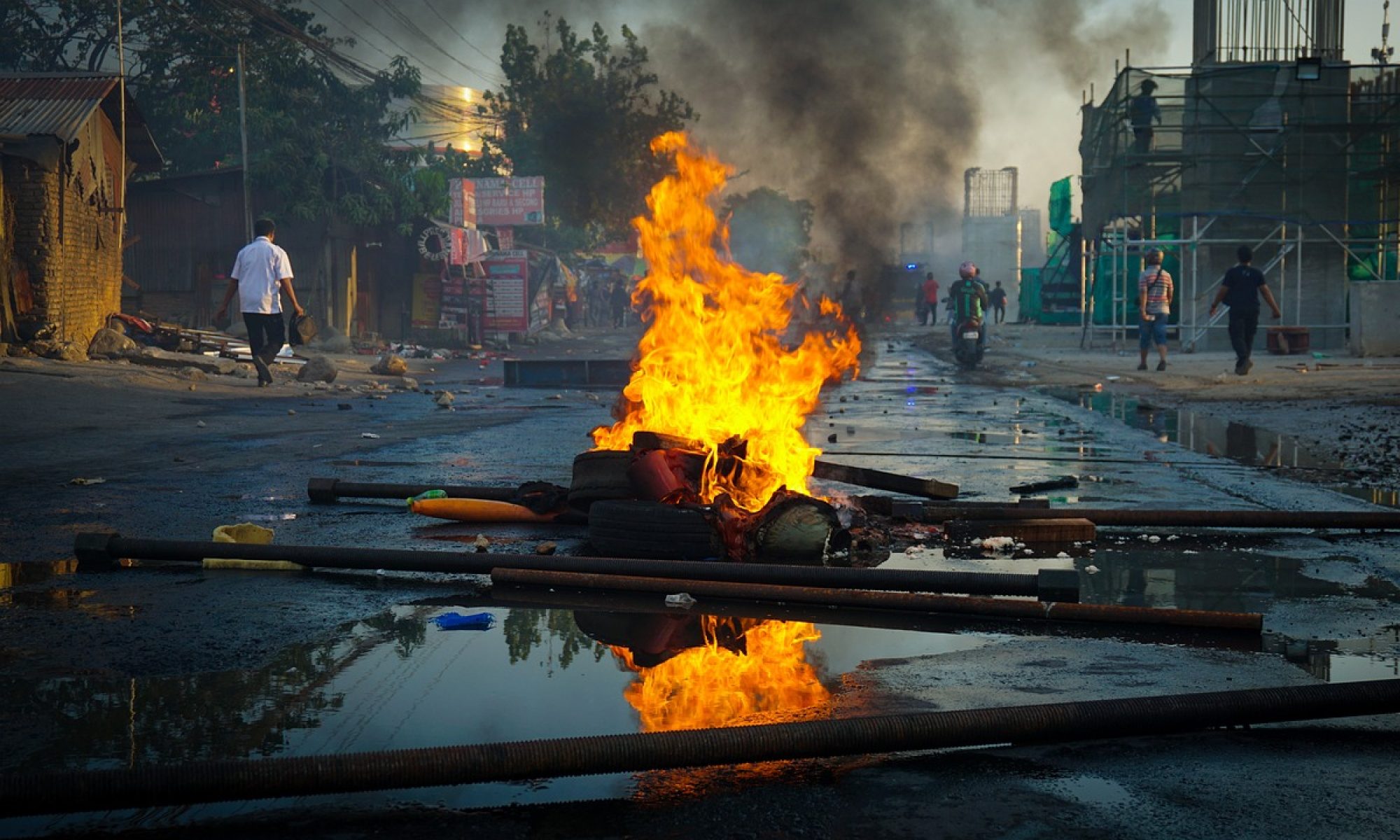
Ego The Good – Part I

Merriam Webster’s defines ego as: Self-esteem: will. The Oxford dictionary defines ego as: a person’s sense of self-esteem or self-importance. I have been writing about the “will,” of men. I believe this good part of our ego interconnects with, and compenetrates with the “will.” Compenetrate as defined by Merriam Websters, means; to penetrate throughout : pervade. Ego has much to do with our emotions. Emotions like fear and anger fuel our “will.” Fear of failure. Fear of letting our brothers in arms down. Fear of letting our family down. Fear of letting ourselves down. Ego has much to do with what others will think of you, and what you think of yourself. At it’s root it is a fear of a loss of honor. That interior thought: Oh, I’d never hear the end of this. When it’s for others, a worthy cause, or to save our own life the ego can serve us well. In part I, I will explore the good ways ego can be useful to legitimate defense and the common good. In part II, I will explore the bad ways ego can result in death or prison. Part III, I will look at a seemingly ugly experience.

In antiquity the word meekness meant controlled strength. That is the authentic meaning of meekness – controlled strength. Look it up today and you’ll find words like: mild; dificient in spirit and courage; submissive, tame; not violent or strong; weak. Yet the Greek word for “meek,” was “praus” and it meant controlled strength. Many years ago I had a priest tell me anger is a gift. It took me many years to come to understand how that can be. A quote from Saint Augustine helped me begin to understand:

“Hope has two beautiful daughters; their names are Anger and Courage. Anger at the way things are, and Courage to see that they do not remain the way they are.”

Controlled and disciplined anger can be used as a sort of fuel, or a passion to begin doing and saying what needs to be done and said, to set things right.

A healthy kind of ego is a powerful motivator. Healthy being the qualifying term. There is a healthy kind of pride we take in our work, in our family. We have to know where the lines are. Generally pride (meaning hubris or arrogance), is the antithesis of humility. First and foremost we need humility which is the acknowledgment of the truth. When we put the ego to work in the service of others it can shine. For your brothers in arms, your family, your friends, and lastly for yourself. When our lives, or the life of others, are on the line we must decide to do the hard and seemingly dirty things we have to do to win, to stop unjust criminal aggressors.

I say seemingly as they’re not dirty at all. The problem is our weak kneed, spineless generation who love gratuitous violence in their television programming, but cannot stomach the actual hard things that must be done to stop unjust aggressors from threatening and murdering innocents. They are perceived as dirty things by weak minded folks who are blind, confused, and sometimes mad.

Filters

Do you accurately perceive things? There’s a sort of filter inside each of us based upon our upbringing, faith, education, world view or ideologies, training, and experiences. Outside influences like music, television, news media and many other things can win the heart strings (emotions) of the people, thereby winning the minds (intellect) of the people. The problem is as we often wander off into lies and errors, our filters get clogged up, and then we stop accurately perceiving things.

Intellect & Emotions

The intellect, will, and emotions are all faculties of a persons soul. The intellect is the highest faculty. The emotions are the lowest faculty. The “will” is the decision making faculty of our soul. The intellect and the emotions are often at war over domination of the “will.” We have to begin to discipline ourselves to rely primarily on our intellects. I’ll give you an analogy:

I have friends who are experienced pilots. They have taught me that inexperienced pilots can literally feel (analogous with emotions), like they’re flying straight and level, though in fact they are in a steep dive towards the ground. When conditions are poor ie; low visibility or fog, pilots have to rely upon their instrumentation (analogous with intellect). Pilots have cross checks with other instruments, to ensure a particular instrument is functioning properly. If they want to live – they have to trust their instruments. It is easy to erroneously feel like they are in a steep dive when they are in fact flying straight and level. Trusting their instruments (analogous with intellect) is a matter of life, and death for aviators.

In the world of legitimate self defense we need to do the work of building those instruments, as it were. We build the knowledge base of where the lines are on the moral, physical, legal, civil, and social battlefields. We learn the principles. Those principles act as a pilots instrumentation to ensure we’re flying straight and level, as it were. These things are need to know. Our emotions or feelings must be checked, and cross checked, with our intellects. We must question our emotions as it relates to doing the right things, at the right time, for the right reason, and in the right way. If we fail to do that we may panic, or we may hesitate. Both panic and hesitation may bring forth terrible consequences. Panic and the consequences may be prison. Hesitate and the consequences may be death. Ensure you’re informing your intellect with good and right things. If you will do that and then use that intellect to direct the “will,” the decision making faculty of the soul – then the probability of making right decisions increases.

“Somewhat paradoxically, one of the things passed on was that success is not a matter of genetics. You’re not born a winner; you have to make the effort to become one. Anyone can do something well if he has the sincere desire to do that. There has to be a commitment to getting the task done and a dedication to the fundamentals of one’s position.” Joe Lombardi grandson of Vince Lombardi

The Word of God reveals to us many people perish for lack of knowledge. For lack of truth. I believe that. But what about those who still perish with knowledge? Ultimately the problem comes down to the “will.” On the spiritual battlefield grace and sin are at war. They war over domination of the will. Do we reject grace or ask for it? Do we do our will, or God’s will? Grace is what is needed to achieve and maintain a kind of relative superiority, as it were, in this spiritual battle. That grace comes from God. It is a function of grace. We ask. We beg. We patiently go back to the Lord for forgiveness and we don’t – give – up. We don’t quit.

Self-esteem

I’m not a fan of the modern day use of this word. As human beings we are in far greater need of discipline than self-esteem. Self-esteem is often a buzzword for pride, ego, hubris, and arrogance. We need discipline and we need a confidence. Confidence is gained via discipline, via doing the work, to become a craftsman. You have to ask yourself; Do you have self knowledge or do you have a false sense of self-esteem? Socrates said; “Know thyself.” Clint Eastwood in the movie Magnum Force said: “Man’s got to know his limitations.” Do we really know what we need to know about the fundamental principles as they apply to the moral, physical, legal, civil, and social battlefields? If all you have is an introductory level concealed carry course then you do not have all you need to know. I have been putting out doing the work, as it were, for many years. As a patrolman I put out to learn how to keep myself out of trouble. As a Sergeant, and a Field Training Sergeant I put out doing the work, to ensure new recruits and officers were being trained and performing their duties properly. As a Lieutenant co-leading the Professional Standards Division, Internal Affairs, I put out doing the work, to gain the knowledge to help citizens of good will understand precisely why police do the things they have to do. I don’t know everything. I’m still learning. Now to the skills. The internet is filled with skill building tutorials and drills. There’s nothing wrong that – we need skills. It is my opinion as it pertains to skills we should primarily be drilling the fundamentals. How do I understand the fundamentals? Can a citizen safely put the gun to work, and then keep the gun properly working? Beginning levels include many working parts but the fundamentals that count are the four gun safety rules as it relates to putting that firearm to work, in whatever lawful and proportional capacity we need it to work. Intermediate levels involve fundamentals like malfunction or failure drills, speed loading, and tactical loading – keeping the firearm in a working condition.

It is my opinion we ought to spend more time coming to understand and teach the fundamental principles of knowledge as it relates to decision making and problem solving. The old adage; Give a man a fish, and you feed him for a day. Teach a man to fish, and you feed him for a lifetime. How do we accomplish that? We drill the fundamental first principles. If you know principles you can solve a thousand times a thousand problems. Using actual violent confrontations caught on video is another way we can teach and learn about the fundamental first principles of combat.

Calculated Risks

The ego must be willing to be vulnerable. One of the questions good leaders should frequently ask themselves is; Where am I leading my people? To good ends or bad? To life or death? To freedom or prison? To retention of wealth or bankruptcy? Sometimes exchanges have to made. Meaning we do sometimes have to incur more risks on the legal and civil battlefields by acknowledging and accepting the realities on the moral and physical battlefields. I believe, as I’ve said in earlier posts the highest and most important battlefield is the moral battlefield. The physical battlefield is second in order of importance. I don’t ignore the legal, civil, and social battlefields, I seek to apply sound strategies for all the battlefields we potentially face.

Leaders embrace calculated risks. Not reckless risks. We have to willing to be vulnerable or we’ll just water everything down to what is convenient, and in season. People with type “A” risk taking personalities, usually have no problem risking in a physical sense. When those folks begin getting promoted then we see the boys being separated from the men. At these higher levels men who sit in leadership seats sometimes forget that in order to lead they must be willing to continue risking, in a moral sense. Risking to support and defend their people when their people act rightly. A moral courage is required. A willingness to risk losing things like power, wealth, pleasures, & honors. A willingness to suffer for their people. There are still many and various “gaps” the leader needs to step into with unjust politicians, media folks, and special interest groups. If these leaders have not done the work necessary to properly defend their people, they won’t. You can’t give what you do not have. Where is the strong man, the man of valor who can and does take calculated risks in these political and social areas of vulnerability? I have been blessed to observe some of these men willingly accepting political and social risks in many and various ways during my law enforcement career. Likewise, there are many more men who have sought to “save themselves,” and their sensitive egos.

I’m not looking down on anyone here, as I am guilty of nearly every failed leadership attribute at one point or another in my life. In one way or another at various points, I have been tested and found lacking. That is – a – reality. It seems the only way I can learn, is to fall down flat on my face, repeatedly, until I begin figuring it out.

Grace

If I have anything truly good to pass along to you, it is only because of the grace of God. Without God’s grace I wouldn’t have one – good – thing to share.

A healthy kind of ego will only take you so far, and in the end when you’re tired, beat up, injured – or dying then the ego won’t be enough to sustain you.

“Fatigue makes cowards of us all.” Vince Lombardi

It is precisely then you’re going to need to rely upon the help of the grace of the Holy Spirit. There is no – other – answer – my friends. If you’re looking for another answer – stop looking. Stop wasting your time! If you have a desire to authentically “love” to the point that as the Bible says where: Perfect Love casts out all fear, then you’re going to have to become a saint. You’re going to have to begin building up your emotional and spiritual strength by denying yourself.

“We need a Christ who will restore moral indignation, Who will make us hate evil with a passionate intensity, and love goodness to a point where we can drink death like water.” Archbishop Fulton Sheen

Without grace – you and I are not drinking death like water. Why? Most of us have something to lose. Instinctively due to The Fall and the concupiscence of sin we reach out and we cling, rather than risk losing things. Some men have lost hope and having nothing to lose, and they will drink death like water. For good or for ill – very dangerous men. Some unjust criminal aggressor’s fall into that category. They are ready and willing to burn it in. Those who would take up the sword, as it were, in defense of the innocent likewise can be very dangerous (to unjust murderers) men. We must begin building spiritual and emotional strength by denying ourselves. Little by little we grow in grace and strength. Start now so that when the chips down you are measured, and found worthy. Grace – is – the – answer.

“The Best Predictor of Future Behavior Is … Past Behavior.” God has given me many violent experiences, and much knowledge. As it relates to the knowledge, I assure you I have done nothing to merit it. Due to my numerous sins in this life, I have too often merited Hell. I don’t believe God gives us a gift for our own self aggrandizing but to share. So I am trying to faithfully pass on what I’ve learned. God has given me the grace to understand how easily someone with far less knowledge, experience, and skills can fell a better man, with opportunity. That is the bottom line. Opportunity. Many times while at Catholic Mass my gaze has shifted to the doors and I’ve wondered if today is the day? Is today the day an unjust active shooter will walk through those doors bent on the murder of innocents? I look at my wife, and my children, and I begin to pray; Please Lord, do not let it be today. But if it is today, I ask God; strengthen my weak knees, and guide my hands for war. I don’t rely on my own strength, but on the help of the grace of the Holy Spirit. I ask. I pray.

In conclusion, police officers, soldiers, or any other first responder needs a healthy dose of ego. Citizens gravely responsible for defending their families need a healthy dose of ego. Healthy being the qualifying term. Why? Emotions like fear are powerful motivators. A desire for honor is a powerful motivator. Fear of a loss of honor – is a – powerful motivator! That is a good thing when it moves us to a passion to set things right! When it moves us to do right things. Let me be clear; In no way does that mean revenge. Vengeance for us, is the wrong way! Revenge and vengeance is God’s alone. He will settle all accounts as they ought to be settled. His business. Not my business! That is where the lines are. Emotions have their place. Fear has it’s place. Anger – has – it’s – place! Our ego’s may be put to good use when working in the service of our brothers in arms. When we would rather die, than fail our brothers and sisters in arms, our ego performs rightly. When we would rather die, than fail our wives and our children, our ego performs rightly. If our own life is on the line fear and a controlled anger fuel the fire (the right passion), needed to stop the unjust criminal aggressor. Begin now disciplining and controlling things like fear and anger. Deny yourselves my brothers and sisters and grow in strength. May God give all of us these graces.

Fairness

“If you find yourself in a fair fight, your tactics suck.” – John Steinbeck

Growing up in the 1970’s, and early 1980’s in a blue collar town youth fought frequently. I won some, tied some, and lost some. One of the things I noted in my own and through observing others fights was that fist fights vied for a social status. A hierarchy, as it were. Youth would deal out a few, perhaps several blows and then assess and ask “Do you quit?” The goal wasn’t to murder one another – at least most of the time. In one instance I lost in spectacular fashion to an upper class man and was choked unconscious, but that’s a story for another day. Vying for social status essentially means to “compete.”

I’ve heard it said that as Americans we love fair fights. Why? This post will explore some of the reasons.

We have a deep love for sports in America. We have a love for fairness and in particular for justice in America. If properly understood, and balanced, I think these are awesome things. For a Catholic, balance is a very important principle.

Two football teams take the field and they both have the same intent – to compete within a framework of rules and to dominate. To win. Competition and war are two radically different things. In competition we have referees who can call off sides, and administer penalties. Sports have rules. Sports have referees to enforce the rules. We get to see who’s the best on this, that, or the other given day. We get to see Mr. Murphy show up with things like fumbles, missed passes, interceptions, and sacks. We see the frictions of what appears like war on the grid iron. We perceive it as frictions of war. It ain’t war. It’s competition with rules and referees. That is a distinction that must be made.

In sports like boxing or today Ultimate Fighting Championships, Mixed Martial Arts, we see violent competitions – with rules and referees. We are a little shocked when we see one boxer bite another boxers ear. We’re satisfied when that boxer is disqualified for such actions. We come to see a heads up competition with the competitors bringing forth the best they have to offer. We sometimes confuse sports – for combat.

Unjust aggressors do not ascribe to rules. Dominating is their rule. Using unlawful threat or violence as a means to their ends – is their rule. Unjust aggressors have intentions like to rob, kidnap, rape, destroy, and murder. Fairness in this arena makes zero sense. Why? We are not talking about a competition. There are no referees to step in and ensure death is held at bay. We’re not talking about two competitors with the same intentions. There is no gentleman’s agreement to stop short of death. We’re talking about radically different intentions and responsibilities. We’re talking about unlawful intentions from the very beginning. That is not competition – it is war.

These things have to do with the “will” of the unjust aggressor juxtaposed to the “will” of the innocent defender. When innocents face a villain with unjust wicked intentions, the rest of us, should desire the advantages going to the innocent police officers, and to the innocent citizens. We should NOT grant legal, civil, or social advantages, to the unjust aggressors. To give unjust aggressors additional advantages is sign of how far our civilization has fallen. It is a function of blindness, confusion of mind, and madness to grant additional legal, civil, or social advantages, to unjust aggressors bent on doing evil . Some state’s attorneys, judges, media folks, and special interest groups have suffered a darkening of their intellects. Some, is a qualifying term. There are also some states attorney’s, judges, and perhaps lesser media folks whose eyes are wide open and they do consistently exercise common sense and good discretion. Those who consistently choose to do the wrong thing, for the wrong reason, at the wrong time, and in the wrong way, well they lay waste to the common good. For these, it is an inversion of reality. It is a turning upside down of the good. Some begin calling good things evil, and calling evil things good. It is the wrong way!

On a physical battlefield this kind of war, as it were, is unfair at it’s very inception. The unjust aggressor already has physical advantages by means of using lies and ruses. He does so by using surprise, speed, and violence of action. The unjust aggressors intentions are by there very nature unfair! Would anyone seek to grant additional advantages to a terrorist bent on the murder of innocent Americans? Of course not! Of – course – not. All tactical advantages on the legal, civil, and social battlefields, should go to innocents and to “just,” innocent defenders. That is common sense. That bodes well for the common good. Do we even still care about the common good? We are divided today on what that even means. I’ll tell you this much, it should not mean we make it easy for the unjust aggressors to prevail.

Imagine a scenario where you had two boxers and those boxers were to compete. At the amateur level for a title, or trophy. At the professional level for a purse, or prize money. Of course there are rules. The two competitors are not literally at war – they’re competing with rules, and referees. You can’t bite one another. You can’t stomp your opponents head when they’re down on the mat. You can’t pull a knife and stick it in their neck. Rightly, there are rules. What governing body would ever seek to stack the advantages to one of these two competitors? None. We all want to see that fair fight right? We all want to see these two boxers try to knock the other guy out. They both have the same intentions: Knock the other guy out.

Unjust aggressors are not looking for a fair fight. Their looking for a fast decisive win. It cannot, and it will not be fair from the very beginning. The unjust aggressor has different intentions than the innocent police officers. The unjust aggressor has different intentions than the innocent citizens protecting themselves and those for whom they’re gravely responsible. Unjust aggressors don’t obey any rules. Their rules are get in close, gain point blank range; dominate, and win; even if that means risking prison or death.

Americans, also like to win. Winning is a good thing. So why would we as society tell America’s finest – the police officers that they need to ignore the fundamental physical principles of combat, and come to believe in things like de-escalation, slowing down time, as if the officers choice of being “nice,” would somehow change the “will,” of their unjust adversaries? As if an unjust aggressors “will,” could controlled through such goofy measures. Sometimes it is tactically right for a police officer to offer warning. Those warnings are the attempt to deescalate. That is authentic de-escalation. Sometimes it is appropriate for a citizen to offer loud rebuke to an unjust aggressor. That loud rebuke is authentic de-escalation. The unjust aggressor, has to decide to de-escalate. He might fancy escalation.

Why would Americans begin granting additional advantages on the physical battlefield over to the unjust aggressors? He already has advantages. He picks the time and the place. The unjust use ruses and lies to close with and gain surprise. Surprise coupled with a high enough propensity for violence (like a two by four, a knife, or a firearm), and he’s going to achieve, and maintain what’s called relative superiority. Relative superiority can be looked at like momentum or a domination. Achieve and maintain it, and you win. Do we as a society now want the unjust aggressors to win? Do we want them achieving the means to their ends (robbery, rape, destruction, and murder)? Do we want the unjust murdering innocents? Some do. Many – do – not!

I don’t want to fight anyone. I have been there, and I have done that many times. I’m looking to avoid these things. I understand them far better now, than I did at fifteen years old. However, if that day comes I definitely don’t want a fair fight. It’s fantasy to think you can do the silly things we see in movies and television. Combat – ain’t about fair fights. Why? In dealing with an unjust aggressor it is inherently unfair at it’s inception. In part, this is due to radically different intentions. In part, it is due to the unjust aggressors “willingness” to depart from all rules of decency, laws, and even mercy. Ask a criminal who’s feeling in an honest mood if he expects to go to prison someday. Many expect to go to prison someday. Do you think the average innocent American expects to someday go to prison? Of course not. At it’s very root it is unfair. It’s not a competition. It is in fact combat. We ought to treat it as such.

Whether it’s a government like Germany in WWII unjustly seizing land by surprise, speed (Blitzkrieg), and violence of action, and Poland falls. Or whether it’s an unjust criminal aggressor seeking to use ruses and lies to gain point blank range where he can sink the ambush in deep. This kind of thing isn’t about trophies, prize money, or titles. This kind of thing is a matter of life and death. Win – the – fight. Encourage those sitting in leadership seats on the legal, civil, and social battlefields to think clearly and do right things, for right reasons, at right times, and in the right ways.

Psychological Versus Physiological Stoppages

During my law enforcement career I received firearms training regarding stopping imminent threats of great bodily harm or death to myself, and others. Is there an efficient way to stop an imminent deadly force threat? Generally speaking, yes. As always, no guarantees. Police officers are essentially trained to go for a physiological stoppage. That is the most efficient way to stop an unjust aggressor presenting a deadly force threat. What’s a physiological stoppage? The short answer is to physiologically remove a subjects “will.” Once unconscious his “will,” no longer matters.

If common sense were common, I would not have to say this. This ain’t legal advice. I’m not an attorney. That don’t matter, as you didn’t come here to hear what an attorney thinks about these things.

Every year in law enforcement instructors reminded us of the Illinois statutory language; “…However, he is justified in the use of force which is intended or likely to cause death or great bodily harm only if he reasonably believes that such force is necessary to prevent imminent death or great bodily harm to himself or such other person…” 720 ILCS 5/7-5. Every word of that statute was important. The non-sworn civilian version is 720 ILCS 5/7-1 Use of Force in Defense of Person. The language is nearly identical for this portion of the Illinois statute.

If you have not read the previous blog please read it, as I explore the idea of a good working definition of war. Carl von Clausewitz gives us the definition from his book On War: “War therefore is an act of violence to compel our opponent to fulfill our will.” In other words, war has much to do with the will of men.

The hope, is the unjust aggressor will voluntarily comply and change his own “will” (a psychological stoppage), before we arrive at the physiological stoppage. Hope isn’t a plan. Once the shooting starts, the plan is a physiological stoppage. Time is a precious commodity in any kind of violent confrontation.

To prevent great bodily harm or death to innocents, our target area was center mass of the chest. The heart is located center mass of the chest. Head shots were a part of a physiological stoppage. Those two combat target areas never changed throughout the twenty six years of my police career, with the exception of working a narrower column, of the upper thoracic area from the heart to the brain.

The heart pumps blood and oxygen to the brain. Take out or damage the pump, and blood pressure is going to drop. Sooner rather than later, damage to heart or the brain will result in the unjust aggressor being rendered unconscious, dying, or dead. The brain stem portion of the brain can act like an emergency shut off.

How long are most gunfights? At point blank range, they are 2-3 seconds. Why is being efficient important? Time in any violent confrontation is a precious commodity. How much the more, is time a precious commodity in an imminent great bodily harm or deadly force confrontation? The answer is, all – the – more.

I was rightly taught as a police officer the intention was to “stop,” the threat. What’s the difference between “stop,” and “kill?” Certainly, targeting the heart and brain is likely to cause death. Distinctions have to be made. Stopping him? Yes. A willingness to deal out a lethal blow? Yes. Perhaps many lethal blows? Yes. The focus needs to be on stopping the unjust aggressor from continuing to present a deadly force threat to innocents. Once he stops – we stop.

An unjust aggressor may experience a psychological stoppage at any point prior to unconsciousness. What’s a psychological stoppage? In short, he quits, and we stop. It’s a change in his “will.” A change in his desires or intentions. He chooses to stop posing a deadly force threat as a means to an end (robbery, kidnapping, rape), or as an end in itself (murder of an innocent). A few for instances: He may clearly separate himself from his firearm. He may stop advancing on an innocent while wielding edged or blunt weapons. He may drop his weapon and move back away from it. Unarmed he may stop advancing on an innocent defenders drawn gun, and retreat. If he’s been shot he may make clear; He’s done and would very much like an ambulance – please!

All war – is – in – the – will. If he refuses to relent – then the defender must be willing to continue dealing out lethal blows until such time the unjust aggressor changes his will – or his will is removed, via a physiological stoppage. What’s a physiological stoppage again? His “will,” is removed as he’s been rendered unconsciousness, dying, or dead.

Some men you cannot, and will not reach. Some men will make a decision, and they will burn it in. They will not relent, and you will have to render them unconscious, dying, or dead, to stop them. You don’t have to like that reality, but it doesn’t change it. Many will quit. So we’re watchful for a psychological stoppage.

If a police officers intention was to kill the unjust aggressor rifles would have bayonets attached. Officers would approach the unconscious and finish them off. If the intent was to kill, officers would never render aid and would not request paramedics.

Having a willingness to deal out a lethal blow to an unjust aggressor is not the same thing as an unjust aggressors will to threaten and murder innocents. These two are radically different by their very nature. A willingness to deal out lethal blows is out of love for one’s own life, and a grave duty to protect those for whom one is responsible. It is out of love for other innocents. Juxtapose that with the unjust aggressors lack of charity for anyone, including himself, with his focus on his selfish wicked desires. Radically different things at their roots.

Police officers prepare and plan for the worst, yet remain watchful for an opportunity to stop and do what needs to be done in effort to save even the unjust aggressor. If he stops, police stop. If he goes unconscious, police stop. Pretty simple.

Dealing a lethal blow is not a guarantee of the unjust aggressors death. You aim, though there is no guarantee of accurate hits. A couple of millimeters any direction may be the difference between life and death. The fundamentals of shooting and the shooters skill level get factored in. The high stresses of potentially receiving great bodily harm and death, might mean your shots are a little hasty. The fundamentals of grip, and stance often diminish due to the unique stresses of combat, bearing down on you and yours. If both unjust aggressor and innocent defender are moving, accuracy diminishes yet again. If the innocent defender didn’t see this coming, and finds himself behind in John Boyd’s OODA loop (Observe, Orient, Decide, Act), throw in an adrenal dose of panic. We begin to understand how and why even police officers sometimes have horrible accuracy at 3-5 yards. Yet, police officers annually qualify at ranges out to 15-25 yards. Square range marksmanship, ain’t combat.

In conclusion, psychological stoppages have to do with the unjust aggressors choices. He decides if, and how much force it’s going to take to change his mind. Unjust aggressors vary widely in degree of “will.” If he’s made the decision, accepting even death, then bullet wounds to the torso won’t change his will. We’ll know when we get there. With some men you will have to achieve a physiological stoppage which renders him unconscious, dying, or dead. Once safe to do so, call an ambulance in effort to save to his life.